

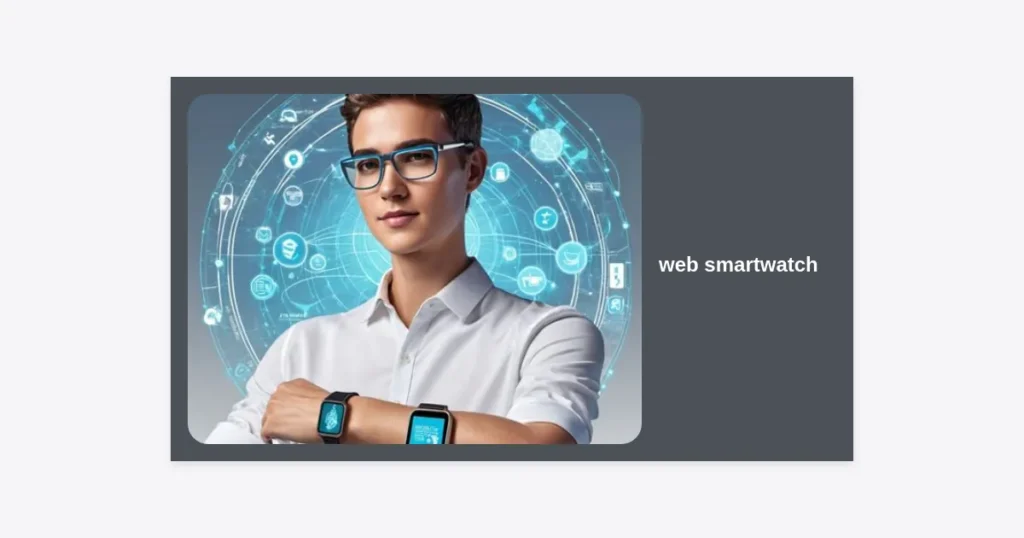

In an era where connectivity is the ultimate currency, the web smartwatch has emerged as a transformative piece of technology. Gone are the days when a watch was merely a time-telling device or a basic pedometer. Today, the modern web smartwatch serves as a gateway to the internet, allowing users to browse, communicate, and manage their digital lives directly from their wrists. Whether you are a tech enthusiast, a busy professional, or someone looking to reduce their screen time on smartphones, understanding the capabilities of web-enabled wearables is essential.
Table of Contents
- What is a Web Smartwatch?
- Key Features of Web-Enabled Wearables
- Benefits of Using a Web Smartwatch
- Top Web Smartwatch Recommendations for 2024
- How to Optimize Your Web Browsing Experience
- The Technology Behind Web Browsing on Wearables
- The Future of Web Integration in Wearables
- Conclusion and Key Takeaways
What is a Web Smartwatch?
A web smartwatch is a high-performance wearable device equipped with integrated web capabilities. Unlike standard smartwatches that rely solely on Bluetooth synchronization for notifications, a web-enabled version often features independent Wi-Fi or LTE connectivity. This allows the device to access the World Wide Web, run web-based applications, and even render HTML content through miniature browsers.
As of 2023, the global wearable technology market is valued at over $61 billion, with a significant shift toward devices that offer standalone functionality. The ability to access a site or search for information without reaching for a smartphone defines the new generation of the web smartwatch. These devices utilize specialized operating systems like Wear OS by Google or watchOS by Apple to provide a seamless online experience.
“The integration of web browsing capabilities into smartwatches marks a pivotal moment in the evolution of personal computing, making information more accessible than ever before.”
Key Features of Web-Enabled Wearables
When searching for the perfect web smartwatch, several critical features distinguish a mediocre device from an exceptional one. To ensure you get the most out of your web experience, look for these specifications:
- Standalone Connectivity: Look for LTE or 4G/5G capabilities. This allows your web smartwatch to stay connected even when your phone is left at home.
- Voice-to-Web Integration: Since typing on a tiny screen is cumbersome, the best web smartwatches use advanced AI voice assistants like Google Assistant or Siri to navigate the web.
- Micro-Browser Support: Some models come with pre-installed browsers (like Samsung Internet or various third-party Wear OS browsers) designed for small-scale rendering.
- High-Resolution AMOLED Displays: For reading text and viewing web images, a high-density display is non-negotiable for clarity.
- Robust Battery Life: Web browsing can be energy-intensive. Top-tier devices offer optimized power management to handle data-heavy tasks.
Benefits of Using a Web Smartwatch
Why would you want to browse the web on a tiny screen? The answer lies in convenience and immediacy. A web smartwatch provides rapid access to information in situations where using a phone is inappropriate or impossible.
For instance, imagine you are in a meeting and need to quickly verify a fact. A discreet glance at your web smartwatch is far less intrusive than pulling out a large smartphone. Similarly, for outdoor enthusiasts, having access to web-based maps or weather updates directly on the wrist can be a safety game-changer.
Practical Example: A runner using a web smartwatch can use a web-based tracking service to share their live location with family members without carrying a bulky phone in their pocket.
Top Web Smartwatch Recommendations for 2024
Choosing the right web smartwatch depends on your ecosystem (Android vs. iOS) and your specific needs. Here are the leading contenders currently dominating the market:
| Model | Operating System | Best Feature for Web | Connectivity |
|---|---|---|---|
| Apple Watch Series 9 | watchOS | Siri Integration & WebKit | LTE / Wi-Fi |
| Samsung Galaxy Watch 6 | Wear OS (One UI) | Samsung Internet Browser | LTE / Wi-Fi |
| Google Pixel Watch 2 | Wear OS 4 | Google Assistant & Search | LTE / Wi-Fi |
| Garmin Venu 3 | Proprietary | Smart Notifications & Widgets | Wi-Fi |
The Samsung Galaxy Watch 6 is particularly noteworthy for its ability to run a fully functional web browser. Users can bookmark sites, utilize tabs, and even view desktop versions of websites if necessary, making it a premier web smartwatch choice for power users.
How to Optimize Your Web Browsing Experience
Using a web smartwatch effectively requires a different approach than using a laptop or phone. To get the best results, follow these actionable tips:
- Use Voice Commands: Instead of typing URLs, use “Hey Google” or “Siri” to search. For example, say “Search for today’s gold price” or “Open Wikipedia.”
- Set Up Quick Bookmarks: Pre-load your mobile browser bookmarks and sync them to your watch. This reduces the need for manual searching.
- Adjust Text Size: Navigate to settings and increase font size. Most web smartwatch interfaces allow for “Accessibility” adjustments to make web text more readable.
- Enable Reader Mode: If your watch browser supports it, use “Reader Mode” to strip away ads and formatting, leaving only the essential text.
The Technology Behind Web Browsing on Wearables
The magic of the web smartwatch lies in how it handles data. Developers use “WAP” (Wireless Application Protocol) evolved versions and lightweight rendering engines like WebKit (used in Apple Watch) to display content.
Furthermore, many web-enabled watches utilize Progressive Web Apps (PWAs). These are websites that behave like apps, offering a faster and more reliable experience on low-power devices. When you access a service on a web smartwatch, you are often interacting with a PWA optimized for the circular or small rectangular display of the wearable.
The Future of Web Integration in Wearables
The future of the web smartwatch is closely tied to the advancement of AI. We are moving away from “browsing” and toward “answering.” Instead of scrolling through a webpage, future wearables will use LLMs (Large Language Models) to browse the web for you and summarize the data into a few sentences on your screen.
Additionally, the rollout of 5G for wearables will ensure that a web smartwatch can stream high-definition content and load complex web-based tools with zero latency. We can also expect to see more integration with Web3 and blockchain technologies, allowing for secure transactions via the watch’s browser.
Conclusion and Key Takeaways
In summary, the web smartwatch is no longer a gimmick; it is a powerful tool for modern connectivity. By choosing a device with LTE support, voice integration, and a high-quality display, you can stay informed and productive while leaving your phone behind.
Key Takeaways:
- A web smartwatch offers standalone internet access via LTE or Wi-Fi.
- Voice commands and reader modes are essential for navigating the web on small screens.
- The Samsung Galaxy Watch and Apple Watch lead the market in web capabilities.
- The future of these devices lies in AI-driven data summarization and PWA integration.
Are you ready to untether yourself from your smartphone? Investing in a web smartwatch could be the most significant upgrade to your digital lifestyle this year. Explore the latest models today and experience the web like never before—on your wrist.