


In the world of skincare, finding the ultimate holy grail often feels impossible, especially when you consider that a proper review sunscreen analysis is the most critical step in preventing premature aging and skin cancer. UV radiation accounts for up to 90% of visible skin changes, yet many people skip this step because they haven’t found a formula that works for them. In this comprehensive guide, we will break down the science, the formulas, and the application techniques you need to protect your skin effectively.
- Why You Need a Comprehensive Review Sunscreen Guide
- The Science of Sun Protection: UVA vs. UVB
- Chemical vs. Mineral: Choosing Your Formula
- Our Top Tested Sunscreens for 2024
- Choosing Based on Your Skin Type
- Ingredient Deep Dive: What to Look For
- How to Properly Apply and Reapply SPF
- The Environmental Impact: Reef-Safe Options
- Key Sun Safety Statistics and Data
- Frequently Asked Questions
- Conclusion and Final Recommendations
Why You Need a Comprehensive Review Sunscreen Guide
With thousands of products on the market, the average consumer is often overwhelmed by marketing jargon and complex ingredient lists. A professional review sunscreen process looks beyond the SPF number to evaluate wearable factors like white cast, greasiness, and compatibility with makeup.
Most people only apply 25% to 50% of the recommended amount of sunscreen, which significantly reduces the effective protection level. Understanding how different products perform in real-world conditions is vital for ensuring you actually use the product every single day.
Expertise matters when it comes to skin health; we have analyzed clinical studies and consumer feedback to provide a baseline for what makes a truly exceptional sun protectant in today’s landscape.
The Science of Sun Protection: UVA vs. UVB
To properly review sunscreen, one must understand the two types of ultraviolet radiation that reach our skin. UVB rays are responsible for surface-level burns, while UVA rays penetrate deeper, causing collagen breakdown and long-term DNA damage.
SPF, or Sun Protection Factor, primarily measures protection against UVB rays. While SPF 30 blocks about 97% of UVB rays, SPF 50 blocks approximately 98%, and SPF 100 blocks 99%.
Note that the PA rating system, often found on Asian and European sunscreens, measures UVA protection. Look for “PA++++” or the “Broad Spectrum” label to ensure you are covered against both types of aging and burning rays.
Chemical vs. Mineral: Choosing Your Formula
The debate between chemical and mineral (physical) filters is one of the most common topics in any review sunscreen discussion. Chemical sunscreens use ingredients like oxybenzone, avobenzone, and octisalate to absorb UV rays and convert them into heat.
Mineral sunscreens, on the other hand, utilize zinc oxide or titanium dioxide to sit on top of the skin and reflect UV rays. Mineral formulas are often preferred for sensitive skin as they are less likely to cause irritation or allergic reactions.
However, chemical sunscreens are typically more transparent and easier to blend into deeper skin tones. Modern “hybrid” sunscreens now combine both types of filters to offer the benefits of high protection with a more cosmetically elegant finish.
Our Top Tested Sunscreens for 2024
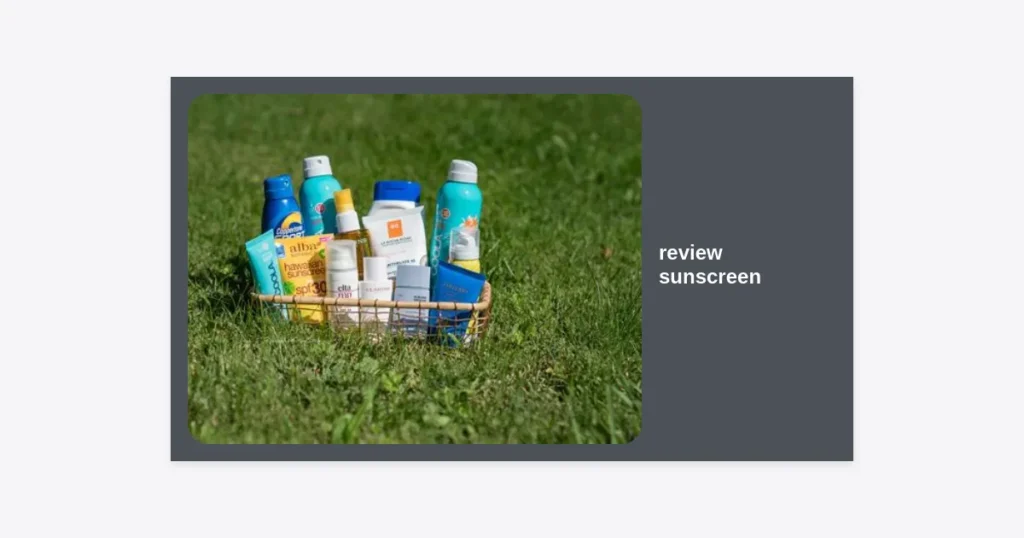
After testing dozens of formulas, our review sunscreen committee has identified the top performers based on texture, longevity, and efficacy across various activities.
Best Overall: La Roche-Posay Anthelios Melt-In Milk
This product consistently tops the charts for its broad-spectrum protection and fast-absorbing texture. It is fragrance-free and paraben-free, making it suitable for a wide range of users from athletes to office workers.
Best for Face: EltaMD UV Clear Broad-Spectrum SPF 46
Dermatologists frequently recommend this formula for those with acne-prone or sensitive skin. It contains niacinamide and hyaluronic acid, which help to calm redness and hydrate the skin throughout the day.
Best Budget Option: Neutrogena Ultra Sheer Dry-Touch
For those who need an affordable, everyday option, this sunscreen provides a non-greasy finish that feels weightless. It is widely available and consistently performs well in independent lab testing for SPF accuracy.
“The best sunscreen is the one you are actually willing to wear every single day, regardless of the price point or the brand name.”
Choosing Based on Your Skin Type
A successful review sunscreen experience depends heavily on matching the product to your specific skin needs. Those with oily skin should look for “non-comedogenic” or “oil-free” labels to prevent clogged pores and excess shine.
Dry skin types benefit from sunscreens infused with ceramides, glycerin, or botanical oils. These ingredients create a barrier that prevents moisture loss while the sun filters do their job of blocking radiation.
Sensitive skin users should prioritize fragrance-free mineral sunscreens. Zinc oxide is actually a skin-soothing ingredient, which can help reduce the inflammation often associated with rosacea or eczema.
Ingredient Deep Dive: What to Look For
When you review sunscreen labels, it helps to know which secondary ingredients enhance the formula’s performance. Antioxidants like Vitamin C, Vitamin E, and Green Tea extract can neutralize free radicals that the sunscreen filters might miss.
- Zinc Oxide: Provides broad-spectrum protection and is generally very stable.
- Avobenzone: A common UVA filter that requires stabilization by other ingredients.
- Niacinamide: Also known as Vitamin B3, it helps regulate oil and improve skin texture.
- Hyaluronic Acid: A powerful humectant that keeps skin plump and hydrated.
Avoid products containing high concentrations of denatured alcohol if you have dry skin, as this can lead to irritation. Furthermore, be wary of heavy fragrances if your skin is prone to contact dermatitis or redness.
How to Properly Apply and Reapply SPF
Application technique is just as important as the product itself. To ensure you reach the SPF rating on the bottle, you must use approximately two milligrams of product per square centimeter of skin.
For the face and neck, use the “two-finger rule”: squeeze two strips of sunscreen onto your index and middle fingers. This provides the correct volume to cover the critical areas of the face, ears, and neck thoroughly.
- Apply 15-30 minutes before sun exposure to allow the film to set.
- Don’t forget the ears, back of the neck, and the tops of the feet.
- Reapply every two hours, or immediately after swimming or heavy sweating.
- Use a powder or spray SPF for touch-ups over makeup during the day.
The Environmental Impact: Reef-Safe Options
The review sunscreen community has recently focused heavily on environmental safety. Certain chemical filters, specifically oxybenzone and octinoxate, have been linked to coral reef bleaching and marine life disruption.
Many tropical destinations now ban sunscreens containing these specific chemicals. To ensure you are being eco-conscious, look for “Reef Safe” labels and prioritize non-nano mineral sunscreens when visiting coastal areas.
Remember that no sunscreen is technically 100% “safe” for the ocean, but mineral options with larger particle sizes are considered the least damaging to fragile aquatic ecosystems.
Key Sun Safety Statistics and Data
To underline the importance of why we review sunscreen so vigorously, consider the following data points provided by the Skin Cancer Foundation and medical researchers:
- 1 in 5 Americans will develop skin cancer by the age of 70.
- Having five or more sunburns doubles your risk for melanoma.
- Daily use of SPF 15 or higher reduces the risk of developing squamous cell carcinoma by about 40%.
- Approximately 90% of non-melanoma skin cancers are associated with exposure to UV radiation from the sun.
These statistics highlight that sunscreen isn’t just a beauty product; it is a life-saving medical tool that requires careful selection and consistent usage throughout all seasons.
Frequently Asked Questions
Does sunscreen expire?
Yes, most sunscreens are designed to remain at original strength for three years. Check the bottle for an expiration date or a “period after opening” symbol (a small open jar icon) to ensure the filters are still active.
Can I use body sunscreen on my face?
While you can, body formulas are often thicker and more likely to clog pores. Facial sunscreens are specifically formulated to be lighter and more compatible with other skincare products and cosmetics.
Do I need sunscreen indoors?
UVA rays can penetrate standard glass windows. If you spend significant time sitting near a window or driving, it is highly recommended to apply SPF to prevent cumulative sun damage over time.
Conclusion and Final Recommendations
Performing a personal review sunscreen assessment is the best way to find a product that fits your lifestyle. Whether you prefer a matte mineral finish or a dewy chemical glow, the consistency of application is the most important factor in long-term skin health.
We recommend starting with a broad-spectrum SPF 30 or higher and experimenting with different textures until you find one that feels like a standard moisturizer. Protecting your skin today will pay dividends in the decades to come, keeping your complexion healthy, vibrant, and cancer-free.
Want to find your perfect match?
Download Our Sunscreen Choice Checklist
PDF Guide: How to choose SPF by skin type and climate (450KB)