
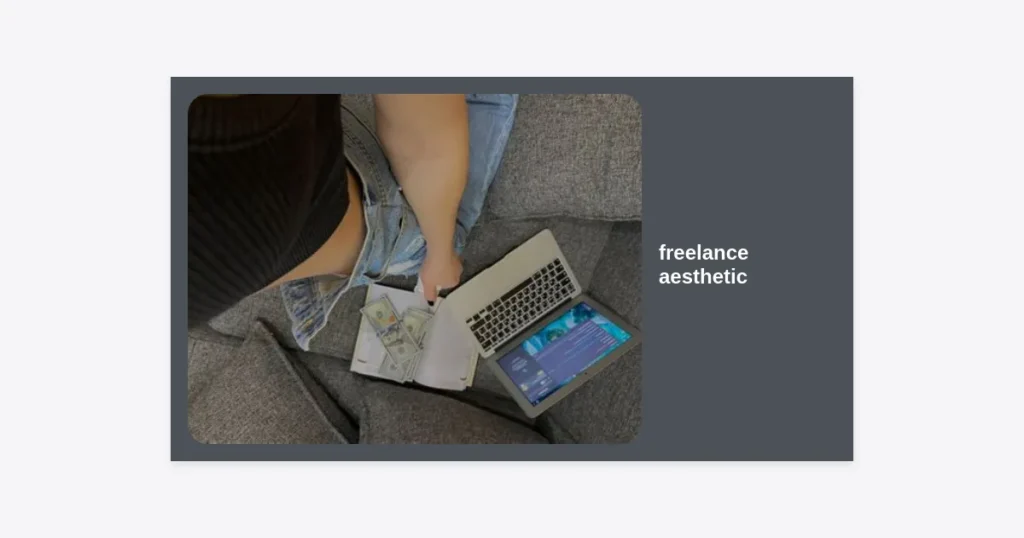

You’ve seen the images: a minimalist desk bathed in natural light, a sleek laptop, a perfectly placed Monstera plant, and a steaming cup of artisanal coffee sitting next to a notebook filled with visionary ideas. This is the freelance aesthetic, a visual representation of professional freedom and curated creativity. But beyond the Instagram-worthy photos, this aesthetic serves a deeper purpose. It’s about creating an environment—both physical and digital—that fosters focus, reflects your professional identity, and makes the daily grind of independent work feel like a chosen luxury.
As the global workforce shifts toward more flexible arrangements, with over 73 million freelancers in the U.S. alone according to recent Upwork data, the way we present ourselves and our workspaces has become a vital part of our brand. Whether you are a graphic designer, a software developer, or a consultant, your personal freelance aesthetic communicates your values to clients and, more importantly, sets the psychological stage for your best work to happen.
Table of Contents
- Defining the Freelance Aesthetic: More Than Just a Look
- Designing Your Physical Workspace for Productivity
- The Digital Freelance Aesthetic: Organizing Your Virtual Life
- Personal Branding and Your Online Presence
- The Freelance Lifestyle: Balancing Routine and Wellness
- Budget-Friendly Ways to Elevate Your Aesthetic
- The Pitfalls of “Aesthetic Over Substance”
- Conclusion: Finding Your Unique Voice
Defining the Freelance Aesthetic: More Than Just a Look
When we talk about the freelance aesthetic, we are rarely talking about a single style. It is not limited to “minimalist scandi-chic” or “industrial loft.” Rather, it is the intentional curation of your professional environment. It is the intersection of interior design, personal branding, and workflow optimization.
For some, the aesthetic is rugged and nomadic—a powerful laptop, a portable second monitor, and a rugged backpack ready to work from a beach in Bali or a cafe in Berlin. For others, it is a maximalist home office filled with books, art, and analog tools that spark inspiration. The core of the freelance aesthetic is intentionality. It is about moving away from the sterile, grey cubicle of the traditional corporate world and moving toward a space that feels authentically yours.
“Your environment is a physical representation of your mindset. A cluttered desk often reflects a cluttered mind, while an intentional workspace invites clarity.”
— Professional Productivity Coach
Designing Your Physical Workspace for Productivity
The foundation of a great freelance aesthetic is your physical desk setup. Since you are responsible for your own ergonomics and equipment, this is where you should invest most of your effort. A beautiful space that gives you back pain is a failure of design.
1. Lighting: The Secret Ingredient
Good lighting is the most important element of any aesthetic. Natural light is the gold standard; it boosts mood and regulates circadian rhythms. Position your desk near a window, but avoid direct sunlight on your screen to prevent glare. For the evening hours, use layered lighting—a warm desk lamp (3000K-4000K) combined with ambient room lighting creates a cozy, focused atmosphere.
2. Ergonomics Meets Style
You don’t have to choose between a beautiful chair and a supportive one. Brands have realized that freelancers want “office chairs” that look like furniture. Look for mid-century modern designs with lumbar support or high-quality ergonomic mesh chairs in neutral colors like cream, grey, or sage green to fit your freelance aesthetic.
3. Textures and Nature
Add “life” to your desk. A wood-grain desk surface, a wool felt desk mat, and a few indoor plants (like a Snake Plant or Pothos) add texture. These elements ground the space and prevent it from feeling too sterile or “tech-heavy.” Research shows that biophilic design—incorporating nature into the workspace—can increase productivity by up to 15%.
The Digital Freelance Aesthetic: Organizing Your Virtual Life
Your freelance aesthetic doesn’t stop at the edge of your desk. It extends to your desktop, your file organization, and the tools you use. A cluttered computer is just as draining as a cluttered room.
Organizing Your Desktop
Start by clearing your desktop of all loose icons. Use a minimalist wallpaper that doesn’t distract you. Many freelancers use “desktop organizers”—wallpapers with designated zones for “To-Do,” “In Progress,” and “Reference.” This creates a visual hierarchy for your daily tasks.
The Power of Cohesive Tools
Choose software that aligns with your lean, efficient freelance aesthetic. Notion is a favorite in the freelance community because of its clean interface and infinite customizability. Whether you use Trello for project management or Slack for client communication, keeping your digital workspace tidy is essential. Use consistent naming conventions for your folders (e.g., YYYY-MM-ProjectName-Client) to maintain a sense of order.
- Use Dark Mode: It reduces eye strain and provides a sleek, modern look.
- Custom Icons: Use custom folder icons to match your brand colors.
- Digital Declutter: Once a week, delete old downloads and empty your trash.
Personal Branding and Your Online Presence
In the world of independent work, you are the product. Your freelance aesthetic should flow seamlessly into your portfolio, social media, and client deliverables. This consistency builds trust and demonstrates a high level of professionalism.
Your visual identity should include a limited color palette (3-5 colors) and a consistent set of fonts. When a client receives a proposal from you, it should look like it belongs to the same person they saw on LinkedIn or Instagram. Use high-quality photography for your headshots and lifestyle images. If you can, take photos of your actual workspace; it gives clients a glimpse into your world and makes you more relatable.
Download our Freelance Brand Identity Checklist to start building your professional look today:
The Freelance Lifestyle: Balancing Routine and Wellness
The freelance aesthetic is often associated with the freedom to work from anywhere, but the reality is that without structure, that freedom can become chaos. A true professional aesthetic includes the ritual of work.
Establishing a morning routine is crucial. This might include a “commute” (a walk around the block), a specific coffee ritual, or 10 minutes of journaling. Dressing for work—even if you aren’t leaving the house—changes your psychology. You don’t need a suit, but moving from “pajama aesthetic” to “freelance professional aesthetic” helps signal to your brain that it is time to perform.
Set clear boundaries. When the sun goes down or the clock hits 6 PM, close your laptop. The “always-on” grind is the antithesis of a sustainable freelance career. Wellness—proper hydration, movement, and sleep—is the fuel that keeps your creative engine running.
Budget-Friendly Ways to Elevate Your Aesthetic
You don’t need a $5,000 budget to achieve a professional freelance aesthetic. Focus on high-impact, low-cost changes that improve your daily experience.
- Cable Management: Hide your wires. Use zip ties or under-desk trays. A “cord-free” look instantly makes any space look expensive and organized.
- Second-hand Quality: Look for used high-end office furniture. A used Herman Miller chair is better than a cheap new one.
- DIY Art: Print your own high-resolution photos or use digital art platforms to find affordable prints that match your color palette.
- Uniformity: Buy matching storage boxes or file folders. Visual consistency creates a sense of luxury.
The Pitfalls of “Aesthetic Over Substance”
While a beautiful freelance aesthetic is beneficial, there is a trap: procrastination disguised as “perfecting the setup.” Spending three weeks choosing the right hex code for your Notion icons instead of reaching out to leads is a business failure.
Remember that the aesthetic exists to support the work, not to replace it. A beautiful desk is useless if no work is getting done on it. Avoid the “comparison trap” on social media. Many of the perfectly curated desks you see on Pinterest are setups for photography, not for 10-hour coding sessions or intense writing marathons. Your space should be lived-in and functional.
Conclusion: Finding Your Unique Voice
Building your freelance aesthetic is a journey, not a destination. It will evolve as your career grows and your tastes change. The goal is to create a professional identity that makes you feel confident, capable, and inspired every time you sit down to work.
Key Takeaways:
- Focus on lighting and ergonomics first for physical health.
- Declutter your digital world to maintain mental clarity.
- Ensure your personal brand matches your workspace for a cohesive client experience.
- Prioritize functionality over Instagram-perfection.
By intentionally designing your environment and your brand, you aren’t just “playing house” as a freelancer; you are building a professional foundation that allows you to thrive in the modern economy. Start with one small change today—whether it’s clearing your desktop or adding a single plant—and watch how it transforms your relationship with your work.